


Distance
2 Miles

Elevation Gain
400 Feet

Difficulty
Easy/Moderate

Members Only
Program Overview
*Members Only Course: Becoming a member grants you access to all NEW Glacier Institute Field Courses for free, and gives you 50% off all legacy Glacier Institute Field Courses. Thank you for supporting outdoor education!
August 1, 2025: At first glance, scat may not seem like a glamorous discovery on the trail, but don’t judge a book by its cover. Scat can show us a glimpse of the wonders of nature and is an invaluable resource we can use to understand an animal’s behavior in their environment and their diet. Glacier is home to a diverse array of wildlife, and so is the droppings they leave behind. By the end of this course, you will learn a new appreciation for scat on trails and resources to identify wildlife in your area.
Know Your Scat
Hike Overview Continued
*Members Only Course: Becoming a member grants you access to all NEW Glacier Institute Field Courses for free, and gives you 50% off all legacy Glacier Institute Field Courses. Thank you for supporting outdoor education!
Instructor: Wyatt Herndon
August 1, 2025 at 7am
At first glance, scat may not seem like a glamorous discovery on the trail, but don’t judge a book by its cover. Scat can show us a glimpse of the wonders of nature and is an invaluable resource we can use to understand an animal’s behavior in their environment and their diet. Glacier is home to a diverse array of wildlife, and so is the droppings they leave behind. By the end of this course, you will learn a new appreciation for scat on trails and resources to identify wildlife in your area.
Meeting Place: Glacier Institute Field Camp
Itinerary: We will begin the morning with a slideshow presentation discussing the course objectives, the importance of identifying scat, and the words and techniques we will use in the field. We will then spend the rest of the day in the field on the Firebrand Pass Trail, looking for scat and other signs of wildlife activity. For those who feel comfortable doing so, we will dissect the scat we find to understand the animal’s diet and the surrounding ecosystem. We will return to Field Camp at 4 pm for dismissal.
Food: Please bring a trail lunch, plenty of water, and snacks for the day.
Park Entrance Fees: Participants are responsible for purchasing their park entry passes prior to the course. These can be purchased online at: https://www.recreation.gov/sitepass/74280.
Equipment: Please see the basic gear list. Bring rain gear in case of inclement weather. Lastly, bring your hand sanitizer. We will be on the trail regardless of the weather.
Physical Requirements: We’ll walk no more than two miles on the trail. There is a slow gradual elevation gain of no more than 400 feet.
Recommended Reading
- Falcon Guides, Scats & Tracks of North America
- Falcon Guides, Scats & Tracks of the Rocky Mountains
- Northwoods Field Guides, Animal Scat
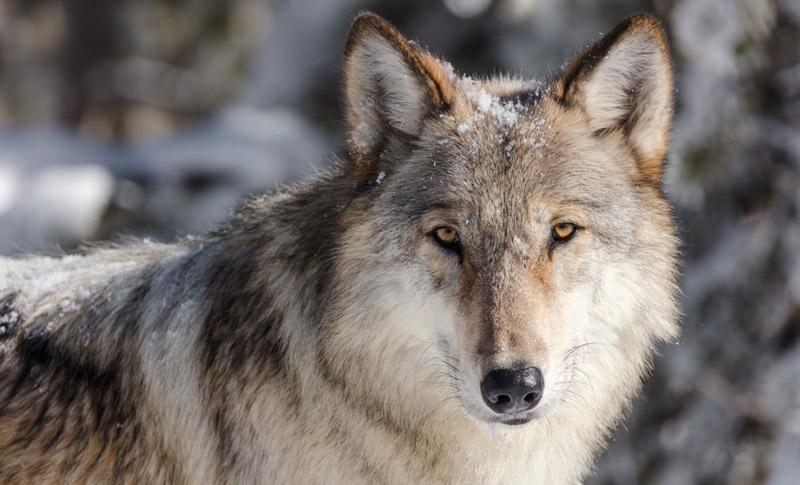
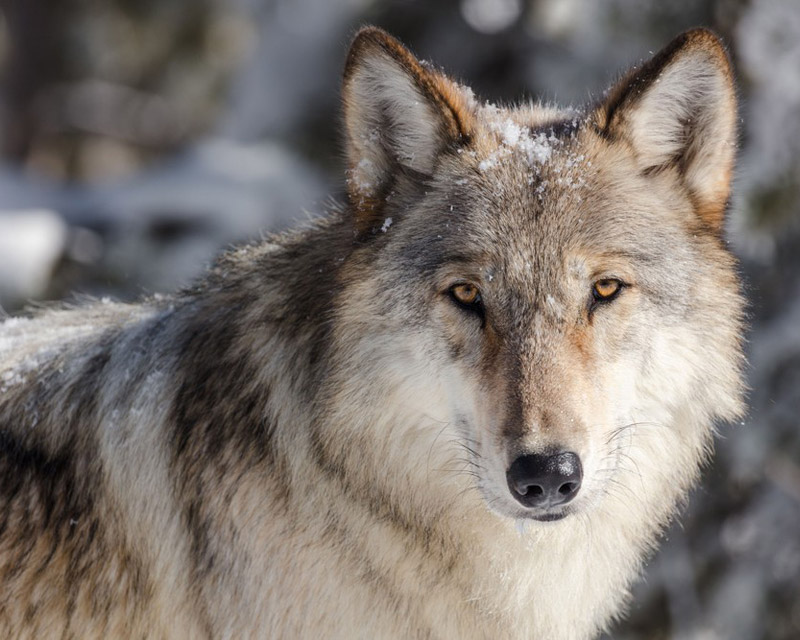

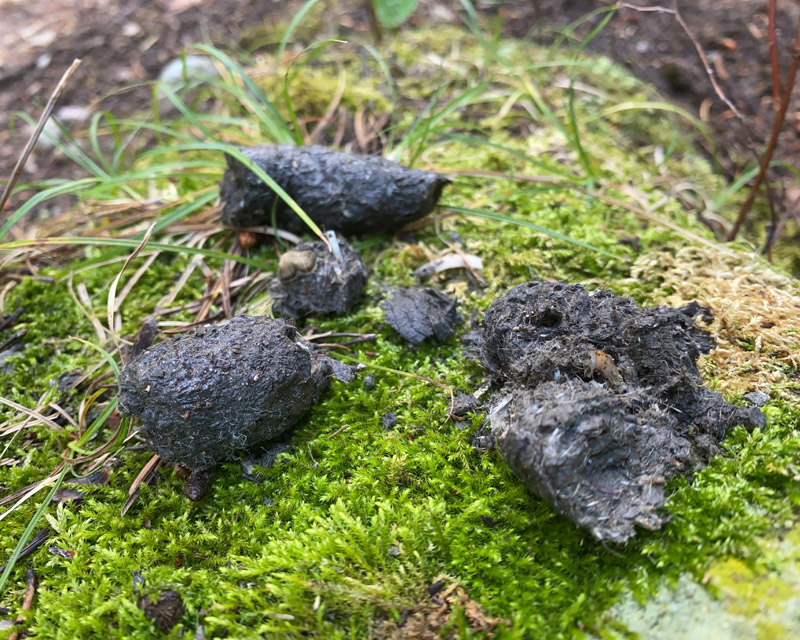
What to Expect On Your Know Your Scat
We will begin the morning with a slideshow presentation discussing the course objectives, the importance of identifying scat, and the words and techniques we will use in the field. We will then spend the rest of the day in the field on the Firebrand Pass Trail, looking for scat and other signs of wildlife activity. For those who feel comfortable doing so, we will dissect the scat we find to understand the animal’s diet and the surrounding ecosystem. We will return to Field Camp at 4 pm for dismissal.
* Trails listed are subject to change due to trail closure, weather, trail conditions, or wildlife.
Program Details
- This program meets at Glacier Institute Field Camp, West Glacier.
- Instructor: Wyatt Herndon.
- The program will begin at 7 a.m. and ends at 4 p.m. Please arrive 15 minutes early.
- Hiking distance covers up to 2 miles with less than 400 feet elevation change.
- Glacier National Park Vehicle Pass required, purchase at recreation.gov.
- On-site parking available.
- Please bring a trail lunch, plenty of water and snacks for the day.
- Physical Requirements: Easy/moderate difficulty. Hiking distance covers less than two miles.
What to Bring
Please remember that weather in NW Montana during all seasons can change quickly from warm and sunny to freezing at any time of the year. We recommend checking the weather prior to your trip. Please also check your course information sheet for specific gear requirements in addition to those listed below.
- Lightweight hiking boots or a sturdy pair of hiking shoes
- 2 liter sized water bottle or Camelback
- Day Pack with plastic bag liner or cover
- Waterproof rain jacket and pants
- Sunhat, sunglasses, sunscreen, insect repellant & lip balm
- Camera (optional)
- Trekking poles, if you like to use them for hiking (optional)
- Binoculars (optional)
- Field Notebook notes and sketches