


Distance
11 Miles

Elevation Gain
2,100 Feet

Difficulty
Moderate

Cost Per Person
$175
Program Overview
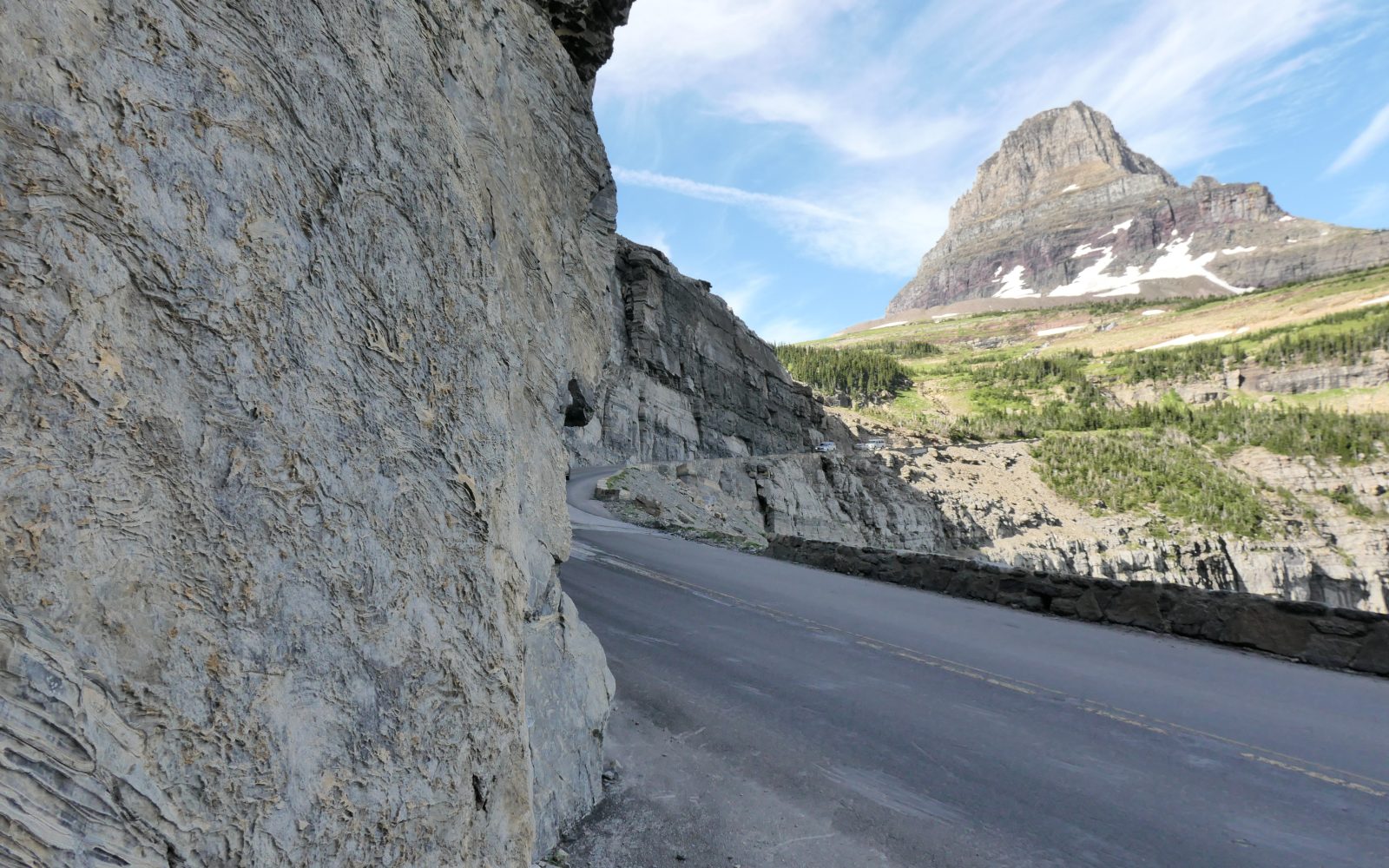
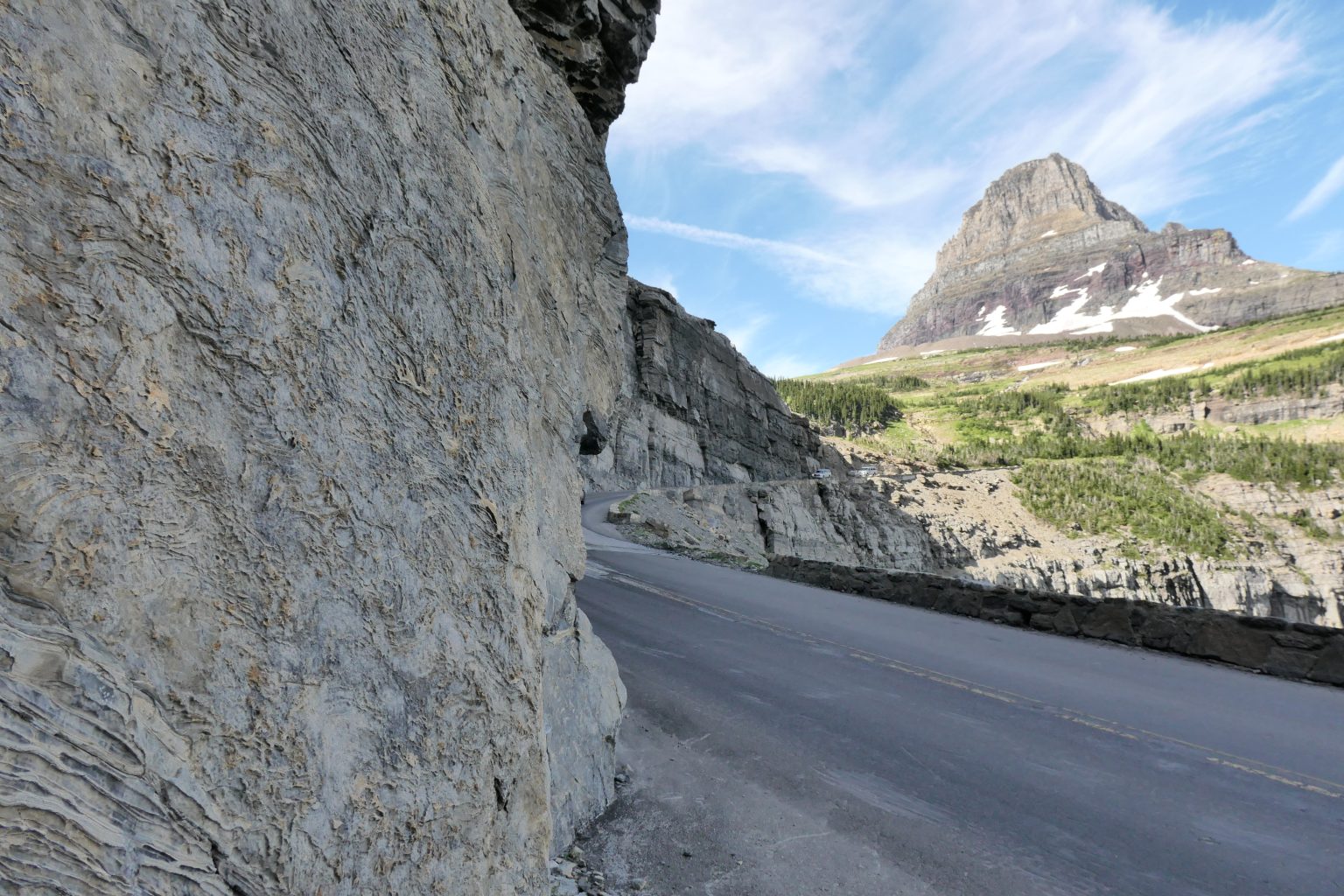
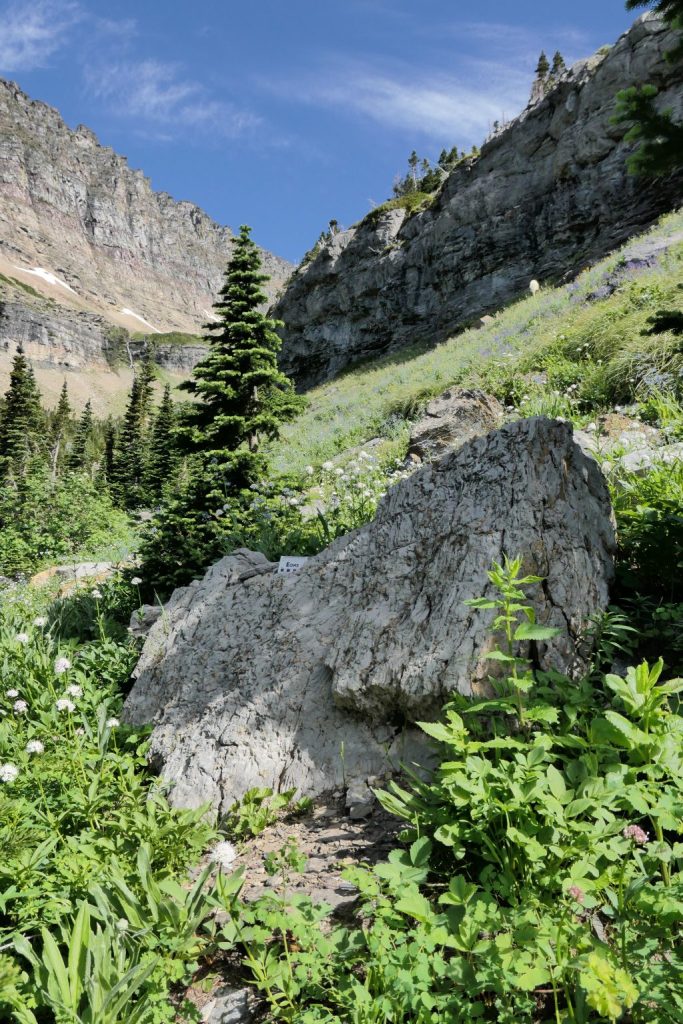
August 22 and 23, 2026: 1.5 billion years ago an ancient continent was splitting apart, allowing a vast shallow sea to form. Filling this newly created seaway was life, but not the complex life we find today. Earth at this time was dominated by microbes, mainly bacteria. Some of this bacteria created mounds that have been described as “Earth’s first high rise condos”. Today we call these mounds Stromatolites, and amazingly they are still alive today in places like Shark Bay, Australia. But one of the best places to see fossil Stromatolites is in Glacier National Park. Due to mountain building and glaciation, these Stromatolites have been uplifted and exposed throughout the park. Each day of this program will give participants the opportunity to see a variety of stromatolites along Going to the Sun Road, Apikuni Falls, and/or Grinnell Glacier. We will discuss the geologic history of the park as well as the paleobiology of the Stromatolites.
Please note: This program will occur on two separate days, August 22 and 23. Please sign up for the day you wish to attend. Full itineraries for each day available in the “Read More”
August 22 at 8 a.m: Going to the Sun Road and Apikuni Falls
August 23 at 7 a.m: Many Glacier, Grinnell Glacier
Living Rock: A Journey Through Fossilized Stromatolites | GTTSR and Many Glacier
Hike Overview Continued
August 22 at 8 a.m: Going to the Sun Road and Apikuni Falls
August 23 at 7 a.m: Many Glacier, Grinnell Glacier
Instructor: Kallie Moore
1.5 billion years ago an ancient continent was splitting apart, allowing a vast shallow sea to form. Filling this newly created seaway was life, but not the complex life we find today. Earth at this time was dominated by microbes, mainly bacteria. Some of this bacteria created mounds that have been described as “Earth’s first high rise condos”. Today we call these mounds Stromatolites, and amazingly they are still alive today in places like Shark Bay, Australia. But one of the best places to see fossil Stromatolites is in Glacier National Park. Due to mountain building and glaciation, these Stromatolites have been uplifted and exposed throughout the park. Each day of this program will give participants the opportunity to see a variety of stromatolites along Going to the Sun Road, Apikuni Falls, and/or Grinnell Glacier. We will discuss the geologic history of the park as well as the paleobiology of the Stromatolites.
Meeting Place: Glacier Institute Field Camp.
Itinerary:
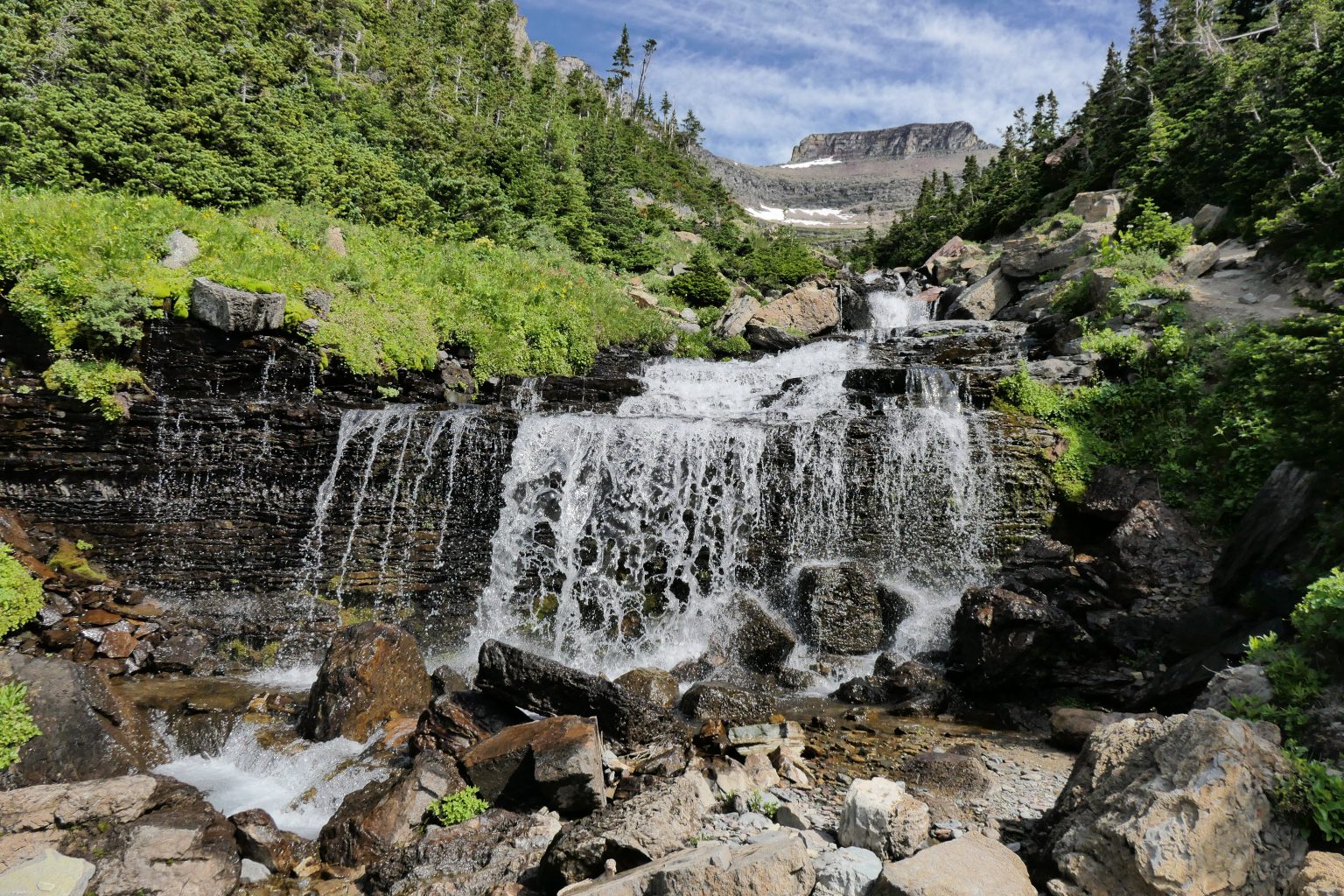
August 22: (subject to change due to trail closures and weather) Class will begin at Field Camp at 8:00 AM with a brief introduction to the course and to one another. Participants will gain a general understanding of the geologic history of Glacier National Park, including Precambrian paleogeography, the significance of stromatolites, their paleobiology, and their role in the evolution of life on Earth. The day will include a tour of the park’s ecosystems and a short hike to Apikuni Falls to explore stromatolites in their natural settings. The course will conclude by 4:00 PM and will not be canceled due to weather.
August 23:
(subject to change due to trail closures and weather) Class will begin at Field Camp at 7:00 AM with a brief introduction to the course and to one another. We will load up our vehicle and drive over to the Many Glacier Valley, to hike the beautiful Grinnell Glacier trail to view stromatolites in their natural setting. Participants will gain a general understanding of the geologic history of Glacier National Park, including Precambrian paleogeography, the significance of stromatolites, their paleobiology, and their role in the evolution of life on Earth. The course will conclude upon return to Field Camp and will not be canceled due to weather.
Food: Please bring a trail lunch, plenty of water and snacks for the day.
Park Entrance Fees: Participants are responsible for purchasing their park entry passes prior to the course. These can be purchased online at: https://www.recreation.gov/sitepass/74280.
Academic Credit: Please see our ‘2026 Academic Credit’ link on our website to learn about OPI credits for our courses.
Equipment: You will receive a Field Camp gear list once you register. Most importantly are comfortable hiking shoes, at least 1-2 liter water bottle, backpack, rain gear, hat, and sunscreen. Weather can be varied so please be prepared with appropriate clothing, with warm layers. You may want to bring a notepad and pencil as well as a camera for photographing plants. If you have a favorite field guide or herbals, please bring them to share during the course.
Physical Requirements: Moderate/leisurely hikes, up to 11 miles and 2100+ ft. elevation gain with lots of discussion and learning breaks.
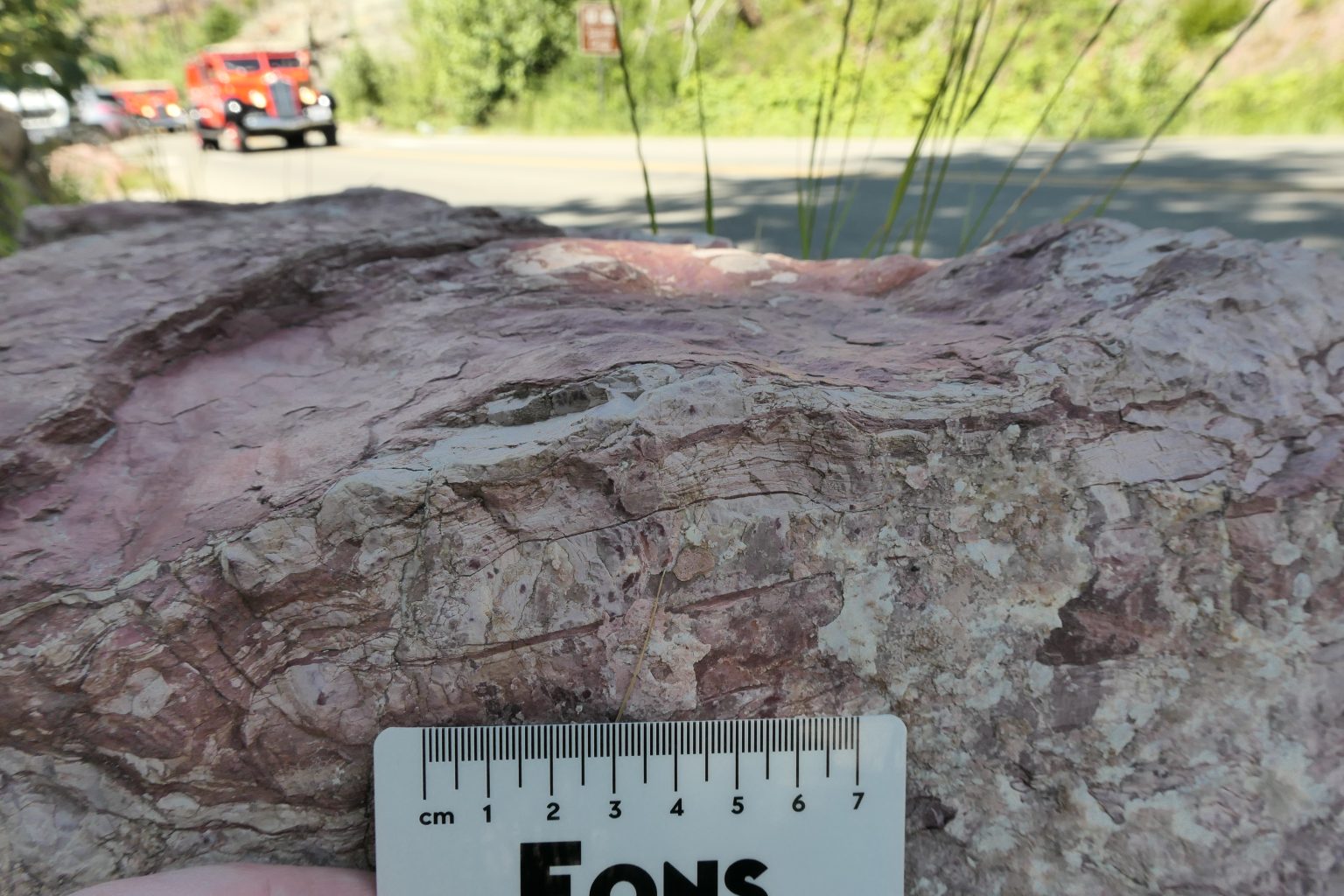
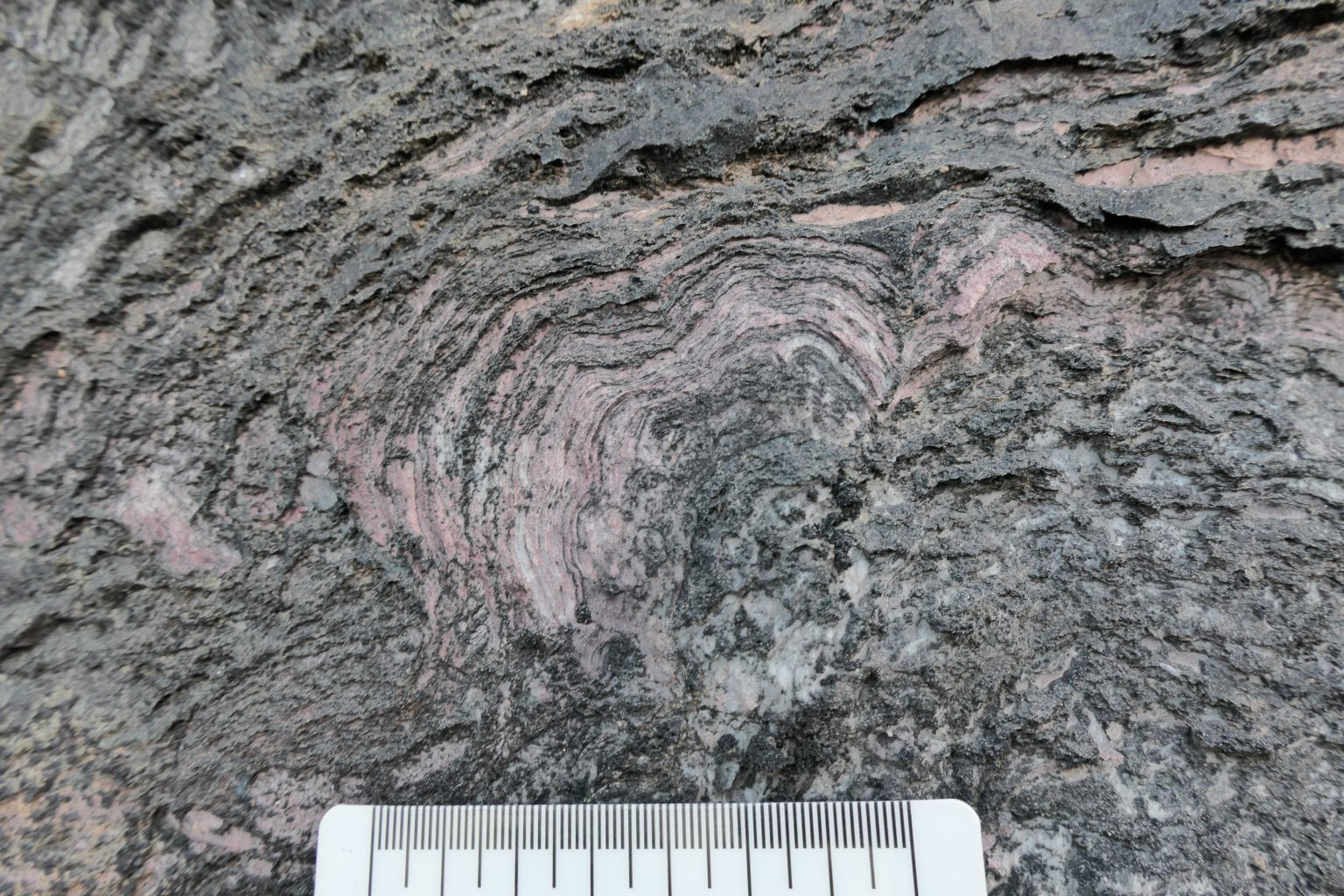
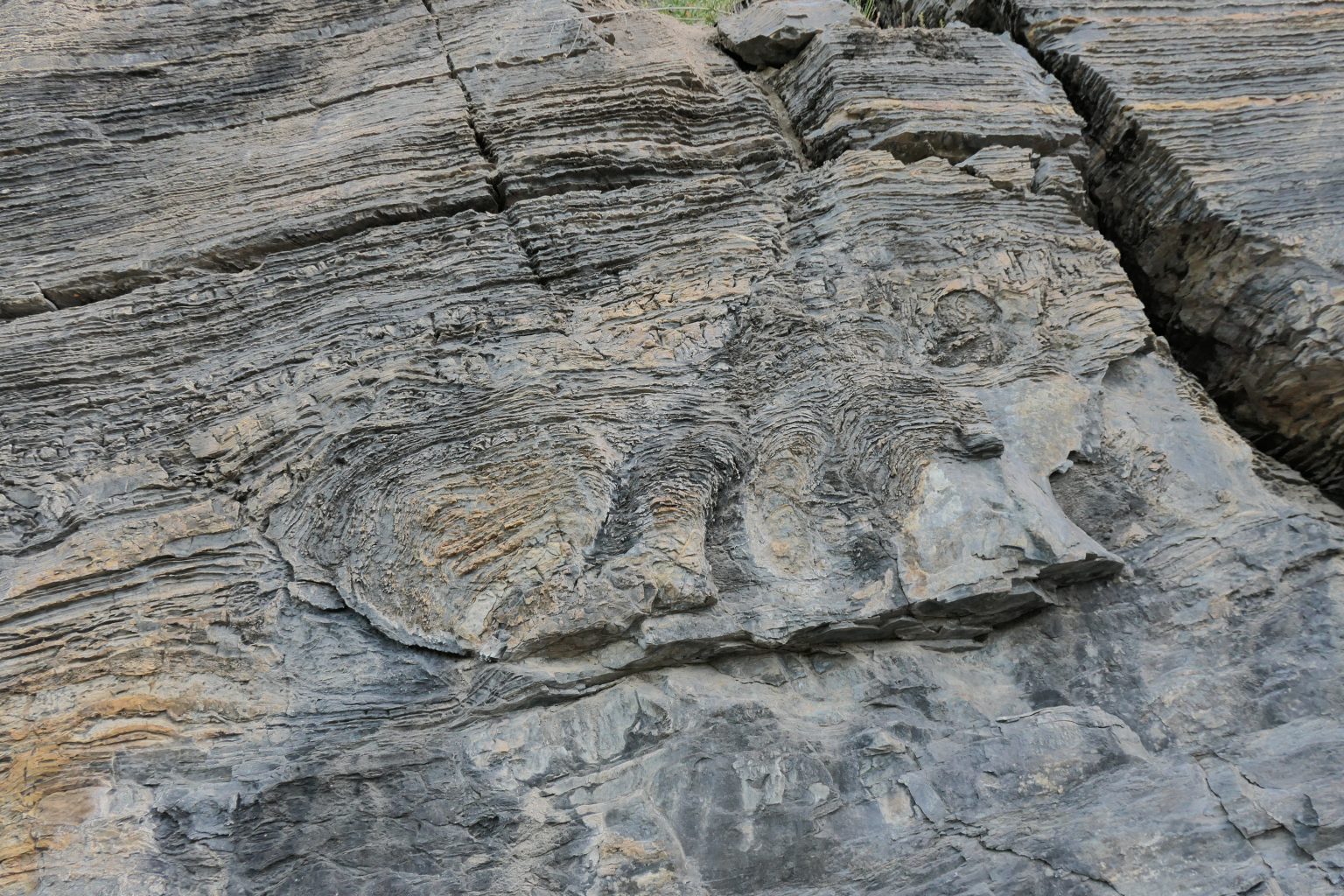
What to Expect On Your Living Rock
Itinerary:
August 22: (subject to change due to trail closures and weather) Class will begin at Field Camp at 8:00 AM with a brief introduction to the course and to one another. Participants will gain a general understanding of the geologic history of Glacier National Park, including Precambrian paleogeography, the significance of stromatolites, their paleobiology, and their role in the evolution of life on Earth. The day will include a tour of the park’s ecosystems and a short hike to Apikuni Falls to explore stromatolites in their natural settings. The course will conclude by 4:00 PM and will not be canceled due to weather.
August 23: (subject to change due to trail closures and weather) Class will begin at Field Camp at 7:00 AM with a brief introduction to the course and to one another. We will load up our vehicle and drive over to the Many Glacier Valley, to hike the beautiful Grinnell Glacier trail to view stromatolites in their natural setting. Participants will gain a general understanding of the geologic history of Glacier National Park, including Precambrian paleogeography, the significance of stromatolites, their paleobiology, and their role in the evolution of life on Earth. The course will conclude upon return to Field Camp and will not be canceled due to weather.
* Any trails listed on this program or others are subject to change due to trail closure, weather, trail conditions, or wildlife.
Program Details
Meeting Place: Glacier Institute Field Camp.
Food: Please bring a trail lunch, plenty of water and snacks for the day.
Park Entrance Fees: Participants are responsible for purchasing their park entry passes prior to the course. These can be purchased online at: https://www.recreation.gov/sitepass/74280.
Academic Credit: Please see our ‘2026 Academic Credit’ link on our website to learn about OPI credits for our courses.
Equipment: You will receive a Field Camp gear list once you register. Most importantly are comfortable hiking shoes, at least 1-2 liter water bottle, backpack, rain gear, hat, and sunscreen. Weather can be varied so please be prepared with appropriate clothing, with warm layers. You may want to bring a notepad and pencil as well as a camera for photographing plants. If you have a favorite field guide or herbals, please bring them to share during the course.
Physical Requirements: Moderate/leisurely hikes, up to 2 miles or so and/or 700 ft. elevation gain with lots of discussion and learning breaks.
What to Bring
Most importantly are comfortable hiking shoes, at least 1-2 liter water bottle, backpack, rain gear, hat, and sunscreen. Binoculars are provided, but please feel free to bring your own if you’d like.
- Comfortable Hiking Shoes
- 1-2 liter Water Bottle
- Backpack
- Sleeping bag
- Hat
- Sunscreen
- Camera (optional)
- Binoculars (optional)
- Field Notebook with pencils