


Distance
8 Miles

Elevation Gain
1,000 Feet

Difficulty
Moderate

Cost Per Person $160

Free for Members
Program Overview
October 18, 2025: Join us this autumn to explore the dynamic changes of the season. Discover how animals and plants respond to decreasing daylight and cooler temperatures. Our hiking journey will take us through meadows, aspen groves, and into the subalpine zone, where we’ll witness the vibrant reds, oranges, and golden hues of fall foliage, and observe animals preparing for winter. Along the way, experience the scents of autumn, listen for the bugling calls of bull elk, and observe busy beavers getting ready for snow.


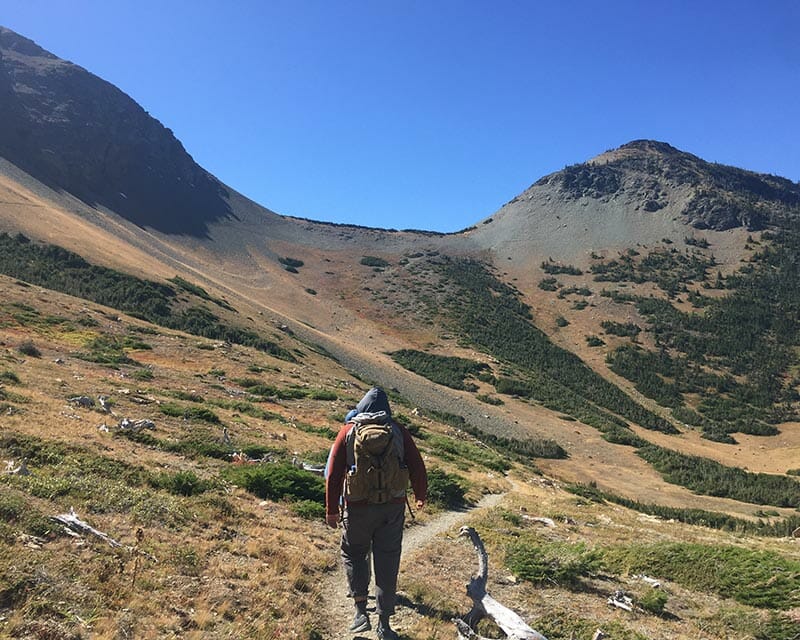
What to Expect On Your Fall on Firebrand Pass | Guided Day Hike
We’ll start with introductions and an overview, then travel by Glacier Institute van to the Firebrand Trailhead. During the drive, learn about autumn leaves’ biology and their varied colors. As we hike from foothills to mountains, topics will range from migration patterns to hibernation strategies and food caching. After field lunch, we’ll explore higher elevations with shorter trees and expansive views, aiming to return to Field Camp by 5:00 PM.
* Trails listed are subject to change due to trail closure, weather, trail conditions, or wildlife.
Program Details
Physical Requirements
- Total distance (roundtrip): up to 8 miles
- Total elevation gain: 1000 feet
Park Entrance Fees
Participants are responsible for purchasing their park entry passes before the hike. These can be purchased online. A Vehicle Reservation is NOT required. Participation in your hike with the Glacier Institute acts as your Vehicle Reservation. These details will be included in your confirmation email.
Recommended Reading
- A Natural History Guide (2nd Edition) by David Rockwell (2007).
- Winter World by Bernd Heinrich
What to Bring
- Trail lunch, plenty of water and snacks for the day
- Comfortable hiking shoes, at least 1-2 liter water bottle, backpack, rain gear, hat, and sunscreen
- Weather can be varied so please be prepared with appropriate clothing, especially warm layers for potential snow and high winds
- Binoculars are very useful, but optional, as well as field guides that interest you